


Venkovní vířivky: Běžné problémy a jejich řešení
2026-10-16 15:35V důsledku toho je izolační výkon venkovní vířivky stejně důležitý jako její topná účinnost. Pro domácnosti, které vanu v zimě často používají, je lepší investovat do lepší izolace a kvalitního krytu, než jen shánět topné těleso s vyšším výkonem.
Proč se při používání venkovní vířivky vypne jistič?
Venkovní vířivky a vířivky zahrnují jak vodu, tak i vysoce výkonná elektrická zařízení, takže elektrická bezpečnost je prvořadá. Zatímco některé menší modely používají standardní konfigurace zásuvek, větší venkovní vířivky mohou vyžadovat vyhrazené obvody, ochranu GFCI a zapojení/jističe, které splňují místní předpisy.
Pokud se jistič během provozu často vypíná, problém může pramenit z nedostatečné kapacity obvodu, aktivace proudového chrániče (GFCI), problémů s kabeláží nebo poruch ohřívače či čerpadla. Jistič opakovaně neresetujte a za žádných okolností neobcházejte bezpečnostní zařízení, abyste zabránili jeho vypnutí. Správným postupem je nechat si odborný elektrikář zkontrolovat kabeláž, uzemnění, jističe a ochranu GFCI v souladu s typovým štítkem výrobku, instalační příručkou a místními elektrotechnickými předpisy. Vyhněte se nedbalému používání prodlužovacích kabelů nebo dočasného zapojení.
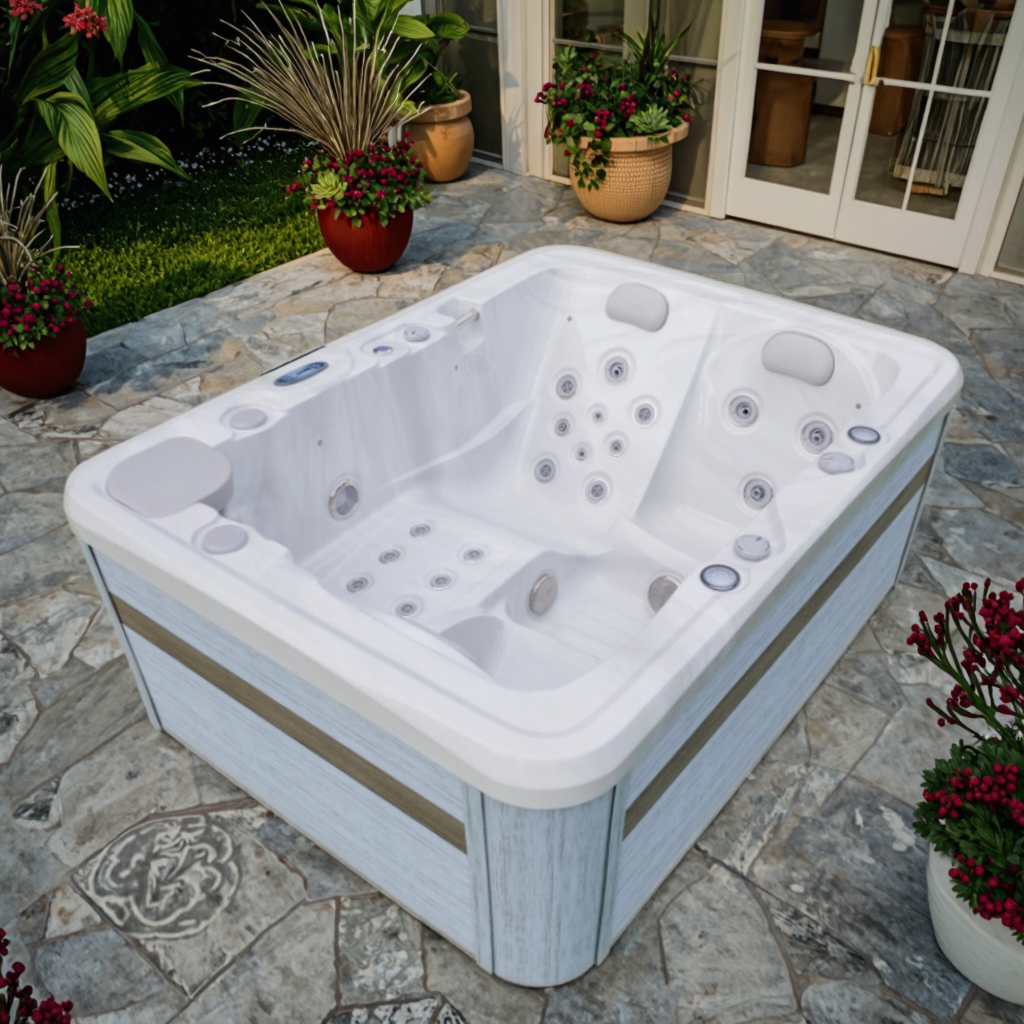
Na jakou teplotu by měla být nastavena venkovní vířivka?
Venkovní vířivky a vířivky se obvykle provozují při teplotě okolo 38 °C (100 °F), ačkoli konkrétní nastavení by mělo být upraveno podle ročního období, osobního pohodlí a pokynů k produktu. CDC doporučuje, aby teplota vody ve vířivce nepřesáhla 40 °C (104 °F).
Vyšší teplota nemusí nutně znamenat lepší zážitek. Vyšší teploty vody zvyšují tepelnou zátěž těla a zvyšují spotřebu energie zařízení. Děti, těhotné ženy a osoby, které konzumovaly alkohol, musí být obzvláště opatrné; CDC zejména doporučuje, aby děti mladší pěti let nepoužívaly vířivky.
Nastavení teploty pro venkovní vířivky by proto mělo upřednostňovat bezpečnost a pohodlí, spíše než usilovat o maximální teplotu.
Proč se filtry venkovních vířivek snadno ucpávají?Filtry jsou klíčovou součástí řízení kvality vody ve venkovních vířivkách. Pyl, prach a listí z venkovního prostředí v kombinaci s kontaminanty, jako jsou tělové oleje a produkty péče o pleť, silně zatěžují filtrační patronu.Když se filtr ucpe, může se snížit průtok vody, klesnout účinnost cirkulace a může být ohrožen topný výkon. Proto byste s čištěním filtru neměli čekat, až se kvalita vody zhorší.
Doporučuje se pravidelně kontrolovat a čistit filtr podle pokynů k produktu a včas jej vyměňovat podle četnosti používání. Při nákupu venkovní vířivky je také vhodné seznámit se s procesem vyjímání filtru, obtížností čištění a náklady na výměnu, protože tyto faktory ovlivňují dlouhodobé náklady na údržbu.
Jak lze snížit dlouhodobé provozní náklady venkovní vířivky?
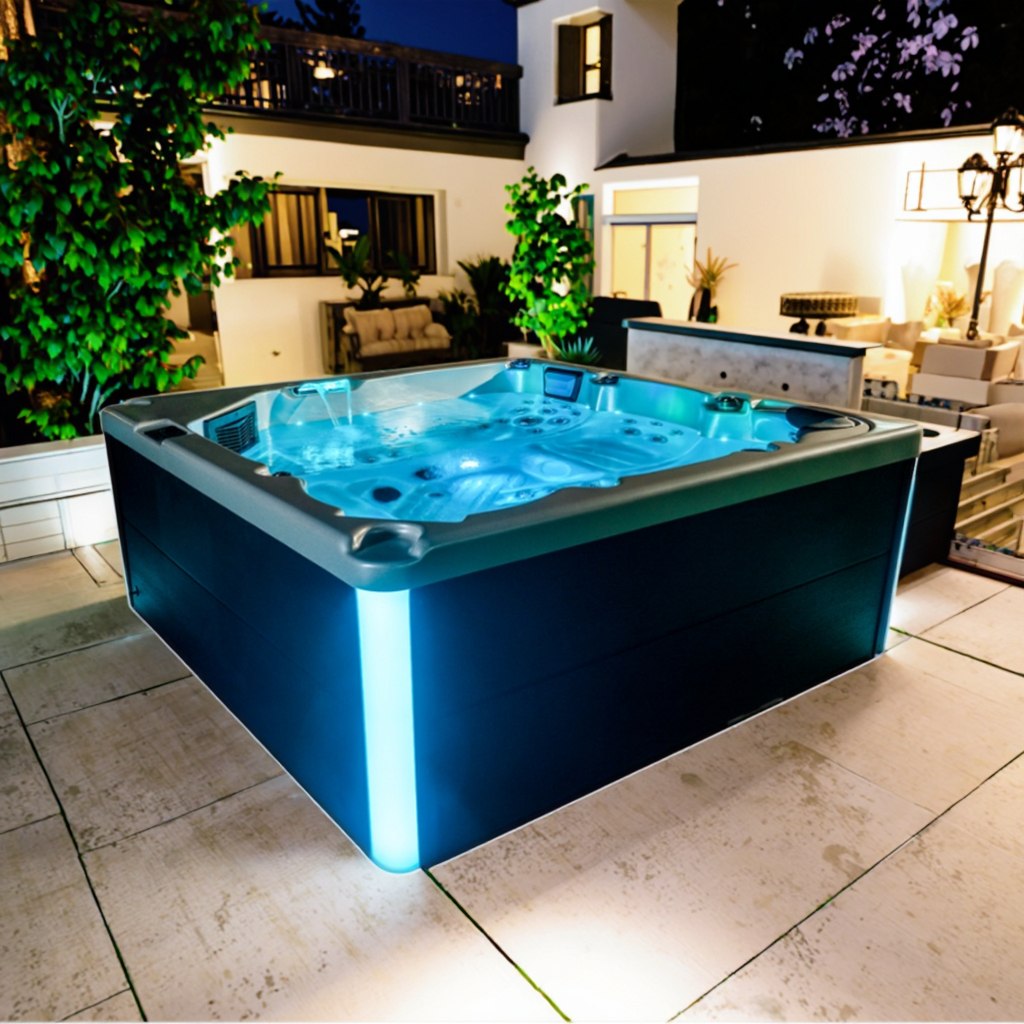
Při nákupu venkovní vířivky se mnoho spotřebitelů zaměřuje pouze na kupní cenu a přehlíží celkové náklady na vlastnictví. Ve skutečnosti lze dlouhodobé náklady rozdělit následovně: kupní cena + instalační poplatky + elektroinstalační práce + příprava základů + doprava + úpravna vody + filtry + náklady na elektřinu + náklady na opravy.
Venkovní vířivka s nižší pořizovací cenou, ale špatnou izolací, může časem vést k vyšší spotřebě energie; navíc nespolehlivý zdroj dílů – jako jsou filtry nebo regulátory – může zvýšit budoucí náklady na údržbu. Při výběru venkovní vířivky proto zvažte životnost alespoň 3–5 let. Zejména v chladných oblastech upřednostňujte izolaci, ochranu před mrazem, účinnost vytápění a dostupnost náhradních dílů, spíše než pouhé porovnávání počtu trysek nebo pořizovací ceny.
Jak by se měla venkovní vířivka udržovat?
Údržba nemusí být příliš složitá, ale musí být důsledná. Před každodenním použitím a po něm zkontrolujte barvu, zápach a stav povrchu vody; pravidelně testujte pH a hladinu dezinfekčního prostředku; čistěte filtr podle pokynů výrobce; a pokud si všimnete sníženého průtoku vody, zvýšeného pěnění nebo výrazného zápachu, neprodleně odstraňte problém.
Domácnosti, které často používají vanu, by měly častěji testovat a čistit. Pravidelná výměna vody a důkladné čištění jsou také zásadní, protože nepřetržitá recirkulace neznamená, že stejnou vodu lze používat donekonečna.
CDC doporučuje minimalizovat mikrobiální rizika ve vířivkách prostřednictvím správné dezinfekce, testování kvality vody, údržby filtrů a pravidelného čištění.
This demonstrates that "higher power is not necessarily better." If a user lives in a region with cold winters and frequently uses the hot tub in low-temperature environments, they should prioritize factors such as heating power, insulation layers, plumbing insulation, and the quality of the hot tub cover, rather than focusing solely on a single heater specification.
Why do outdoor hot tubs consume so much electricity?
The primary energy consumption of an outdoor hot tub comes from its heating system. For instance, a 5 kW heater running for one hour theoretically consumes 5 kWh of electricity; however, the actual cost on a household electricity bill depends on operating time, electricity rates, ambient temperature, usage frequency, and the tub's insulation capabilities.
Therefore, the key to energy efficiency in outdoor spas and hot tubs is not simply reducing heating power, but minimizing heat loss. The spa hot tub cover plays a crucial role in this regard. Keeping the cover properly closed when the tub is not in use reduces heat dissipation and evaporation from the water surface while preventing leaves and dust from entering the water.
Additionally, insulation for the spa hot tub shell, base, equipment compartment, and plumbing is equally important. Especially in cold regions, a well-insulated hot tub reduces the frequency of heater activation, thereby lowering long-term energy consumption.
Consequently, when comparing the energy efficiency of outdoor hot tubs, one should consider the entire system—heating, insulation structure, cover, and plumbing design—rather than just comparing rated power output.
What should be considered when using an outdoor hot tub in winter?
Winter is the season when outdoor spas and hot tubs are most prone to equipment issues. The primary concern is not merely the drop in water temperature, but the risk of localized freezing within the plumbing, filtration area, and pump assembly. If the ambient temperature remains below 0°C for an extended period while the equipment is idle, residual water in the plumbing may freeze. As water expands upon freezing, it can damage the water pump, fittings, and pipes. Therefore, if your outdoor spa hot tub supports year-round use and features an anti-freeze mode, you should maintain normal circulation and anti-freeze functions according to the manufacturer's guidelines during winter; do not simply cut off the power.
If the unit needs to be shut down for a long period, follow the manufacturer's winter shutdown procedure to thoroughly drain the system and clear any residual water from the equipment and plumbing. When purchasing an outdoor spa hot tub for use in cold regions, prioritize checking for features such as anti-freeze protection, pipe insulation, and insulation within the equipment compartment.
What should you do if the water temperature in your outdoor hot tub drops too quickly?
It is normal for the water temperature to drop slightly when the cover is opened for use after the tub has reached its set temperature. However, if the temperature drops significantly even when the cover is closed, you should inspect the insulation system.
First, check the hot tub cover for deformation, damage, or poor sealing. Next, verify that the tub shell, base, and plumbing have adequate insulation. In cold weather, if the cover's insulation is poor, heat escapes rapidly from the water surface, forcing the heater to run for longer periods.
Consequently, the insulation performance of an outdoor spa hot tub is just as important as its heating efficiency. For households that use the tub frequently in winter, it is better to invest in superior insulation and a high-quality cover rather than simply seeking a higher-wattage heater.
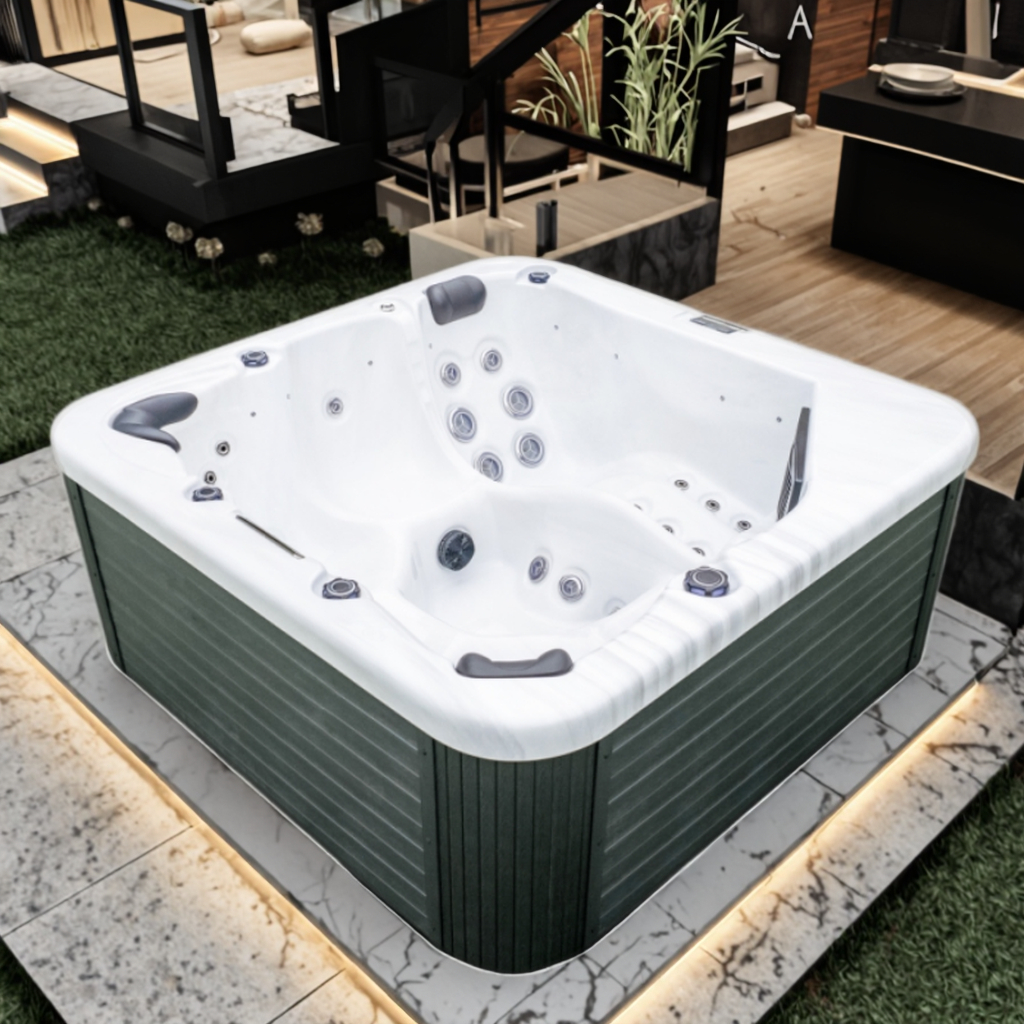
Why does the circuit breaker trip when using an outdoor hot tub?
Outdoor spas and hot tubs involve both water and high-power electrical equipment, so electrical safety is paramount. While some smaller models use standard plug-in configurations, larger outdoor hot tubs may require dedicated circuits, GFCI protection, and wiring/breakers that comply with local regulations.
If the breaker frequently trips during operation, the issue could stem from insufficient circuit capacity, GFCI activation, wiring problems, or malfunctions in the heater or pump. Do not repeatedly reset the breaker, and—under no circumstances—should you bypass safety devices to prevent tripping. The correct approach is to have a professional electrician inspect the wiring, grounding, circuit breakers, and GFCI protection in accordance with the product nameplate, installation manual, and local electrical codes. Avoid the casual use of extension cords or temporary wiring.
What temperature should an outdoor hot tub be set to?
Outdoor spas and hot tubs are typically operated at a warm temperature of around 38°C (100°F), though the specific setting should be adjusted based on the season, personal comfort, and product instructions. The CDC recommends that hot tub water temperatures should not exceed 40°C (104°F).
A higher temperature does not necessarily mean a better experience. Higher water temperatures increase the body's heat load and raise the equipment's energy consumption. Children, pregnant women, and individuals who have consumed alcohol need to exercise particular caution; notably, the CDC advises that children under the age of five should not use hot tubs.
Therefore, temperature settings for outdoor spa hot tubs should prioritize safety and comfort rather than aiming for the maximum temperature.
Why do outdoor hot tub filters get clogged easily?
Filters are a crucial component of water quality management for outdoor hot tubs. Pollen, dust, and leaves from the outdoor environment, combined with contaminants such as body oils and skincare products, place a heavy load on the filter cartridge.
When a filter becomes clogged, water flow may decrease, circulation efficiency drops, and heating performance can be compromised. Consequently, one should not wait until water quality deteriorates before cleaning the filter.
It is recommended to inspect and clean the filter regularly according to the product instructions and replace it promptly based on usage frequency. When purchasing an outdoor spa hot tub, it is also wise to familiarize yourself with the filter removal process, cleaning difficulty, and replacement costs, as these factors influence long-term maintenance expenses.
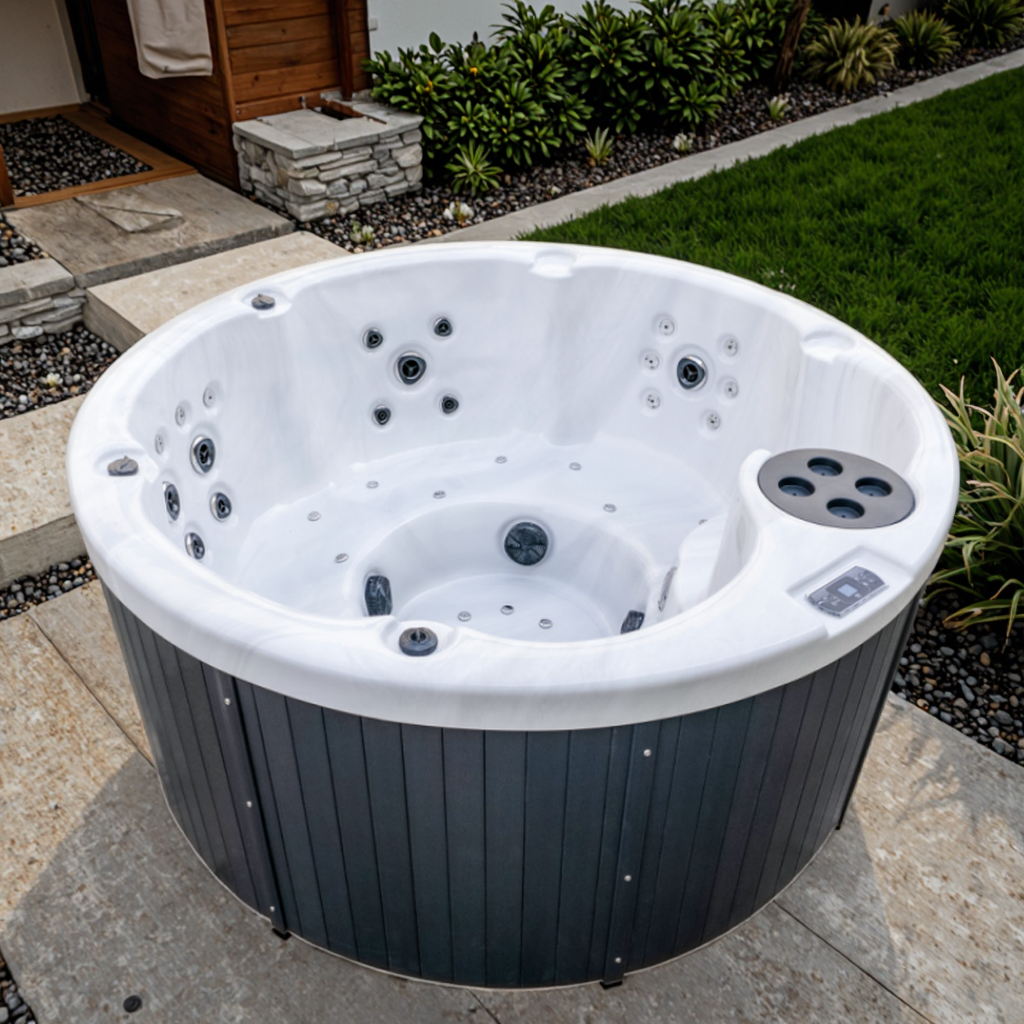
How can the long-term operating costs of an outdoor hot tub be reduced?
When purchasing an outdoor spa hot tub, many consumers focus solely on the purchase price while overlooking the total cost of ownership. In reality, long-term costs can be broken down as follows: purchase price + installation fees + electrical work + foundation preparation + shipping + water treatment supplies + filters + electricity costs + repair expenses.
An outdoor spa hot tub with a lower purchase price but poor insulation may result in higher energy consumption over time; additionally, an unreliable supply of parts—such as filters or controllers—can increase future maintenance costs. Therefore, when selecting an outdoor spa hot tub, consider a service life of at least 3–5 years. Especially in cold regions, prioritize insulation, freeze protection, heating efficiency, and the availability of spare parts rather than simply comparing the number of jets or the purchase price.
How should an outdoor hot tub be maintained?
Maintenance doesn't need to be overly complex, but it must be consistent. Before and after daily use, check the water's color, odor, and surface condition; regularly test pH and sanitizer levels; clean the filter according to the manufacturer's instructions; and troubleshoot promptly if you notice reduced water flow, increased foaming, or a distinct odor.
Households that use the tub frequently should increase the frequency of testing and cleaning. Periodic water changes and deep cleaning are also crucial, as continuous recirculation does not mean the same water can be used indefinitely.
The CDC recommends minimizing microbial risks in spa hot tubs through proper sanitization, water quality testing, filter maintenance, and regular cleaning.
Nejprve zkontrolujte kryt vířivky, zda není deformovaný, poškozený nebo zda není špatně utěsněný. Poté ověřte, zda má plášť vany, dno a potrubí dostatečnou izolaci. V chladném počasí, pokud je izolace krytu špatná, teplo rychle uniká z hladiny vody, což nutí ohřívač běžet déle.